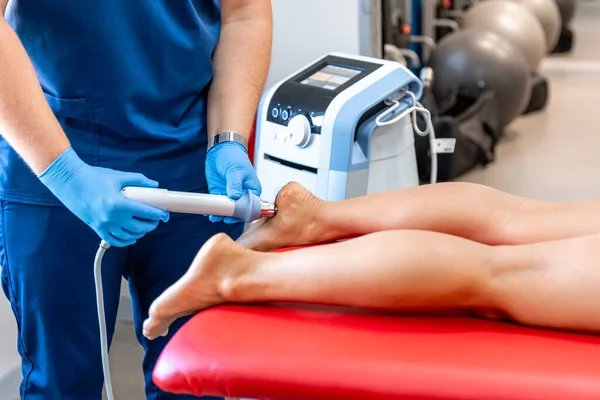
Discover the outstanding benefits and results of Effective Shockwave Treatment. Unravel a revolutionary healing strategy!
Shockwave treatment has gained significant attention as a modern, non-invasive therapy designed to stimulate the body’s natural healing processes. Dr Foot Podiatry shockwave treatment is a specialised approach that applies this advanced technology to effectively address foot and ankle conditions while promoting faster recovery. By using high-energy acoustic waves, this treatment supports tissue repair, improves circulation, and relieves pain without the need for surgery or medication. It is widely used for managing musculoskeletal conditions and chronic pain, offering patients an effective option for recovery and long-term relief.
Understanding Shockwave Treatment
Shockwave treatment, also known as shockwave therapy, involves the application of acoustic waves to targeted areas of the body. These waves travel through soft tissue, triggering biological responses that encourage healing and regeneration. As a non-invasive treatment, it does not require incisions or injections, making it a preferred option for individuals seeking minimal downtime and reduced risk.
The therapy works by stimulating blood flow and activating cellular repair mechanisms. Increased circulation helps deliver oxygen and nutrients to damaged tissues, while the mechanical stimulation promotes collagen production and tissue regeneration. This combination helps reduce inflammation, alleviate pain, and restore mobility over time.
Shockwave treatment is commonly used to address musculoskeletal issues such as tendon injuries, joint pain, and chronic soft tissue conditions. It is also explored in other areas of health, where tissue stimulation and improved circulation play a key role in recovery and function.
How Shockwave Treatment Works
The mechanism behind shockwave treatment lies in the delivery of controlled acoustic energy to affected areas. These acoustic waves create microtrauma within the tissue, which encourages the body to initiate a natural healing response. This process helps break down calcified deposits, reduce nerve sensitivity, and enhance overall tissue flexibility.
As the acoustic waves penetrate the skin, they stimulate nerve endings and blood vessels, increasing metabolic activity in the treated area. This leads to pain reduction, improved movement, and faster healing, particularly in conditions involving chronic inflammation or limited blood supply.
Types of Shockwave Treatment
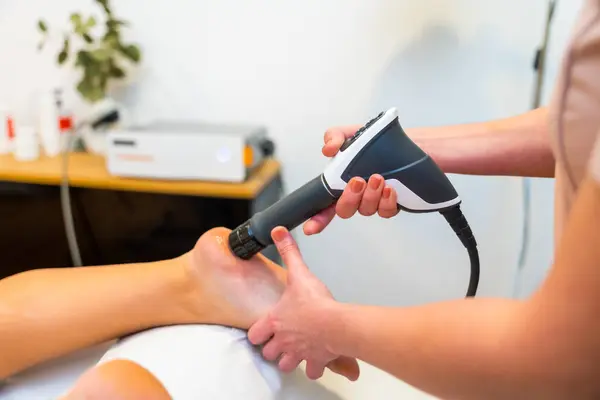
Shockwave therapy is generally categorised into focused and radial approaches, each designed to address different therapeutic needs. Focused shockwaves deliver energy to deeper tissues with greater precision, making them suitable for more complex or long-standing conditions. Radial shockwaves spread energy over a wider surface area and are often used for superficial tissue issues and general pain relief.
Both types aim to stimulate healing through improved circulation and tissue regeneration. The choice of method depends on the condition being treated, the depth of the affected tissue, and the individual’s response to therapy.
An In-Depth Look into Effective Shockwave Treatment
Effective shockwave treatment follows a structured therapeutic process tailored to individual needs. During each session, acoustic waves are applied to specific areas to promote healing and pain reduction. The treatment plan is usually adjusted based on progress, ensuring optimal results while minimising discomfort.
Shockwave treatment is used to address a wide range of health conditions. It is particularly effective for chronic pain management, tendon and ligament injuries, joint stiffness, and recovery from repetitive strain. Supporting physical recovery, it can also contribute positively to mental well-being, helping individuals regain confidence and improve daily function.
Treatment duration varies depending on the severity of the condition and individual response. Some people notice improvement after a few sessions, while others may require ongoing treatment over several weeks or months to achieve lasting results.
Unravelling the Benefits of Effective Shockwave Treatment
One of the most significant benefits of shockwave treatment is its impact on quality of life. By reducing persistent pain and improving mobility, individuals can return to daily activities with greater ease and comfort. Pain relief often leads to better sleep, improved mood, and enhanced emotional resilience.
The psychological benefits of effective pain management should not be underestimated. As physical discomfort decreases, individuals often experience reduced stress and anxiety, allowing for a more positive outlook and increased participation in social and professional life.
Analysing the Results
Clinical research supports the effectiveness of shockwave treatment for various musculoskeletal conditions. Studies have shown consistent improvements in pain reduction, functional recovery, and overall patient satisfaction. These findings highlight its value as a non-invasive therapeutic option with long-term benefits.
Patient experiences further reinforce these outcomes. Many individuals report noticeable improvements in mobility, reduced reliance on pain medication, and enhanced physical performance following treatment. These real-life experiences demonstrate the potential of shockwave therapy to support recovery and sustained well-being.
Within the medical community, opinions on shockwave treatment continue to evolve. While many healthcare professionals recognise its benefits for pain relief and tissue healing, ongoing research is encouraged to refine treatment protocols and expand its applications.
The Future of Shockwave Treatment
Ongoing research into shockwave treatment focuses on improving its effectiveness and expanding its therapeutic uses. Scientists are exploring its biological mechanisms in greater detail, aiming to optimise energy delivery and treatment frequency for better outcomes.
Future developments are expected to include advancements in technology and technique, allowing for more precise targeting and enhanced patient comfort. These innovations may further establish shockwave therapy as a cornerstone treatment in pain management, rehabilitation, and musculoskeletal care.
Conclusion
Shockwave treatment offers a powerful combination of pain relief, improved circulation, and enhanced tissue healing. Its non-invasive approach, supported by clinical research and patient experiences, makes it an effective option for managing musculoskeletal conditions and chronic pain. As research and technology continue to advance, shockwave therapy is likely to play an increasingly important role in modern healthcare, helping individuals achieve faster recovery and a better quality of life.