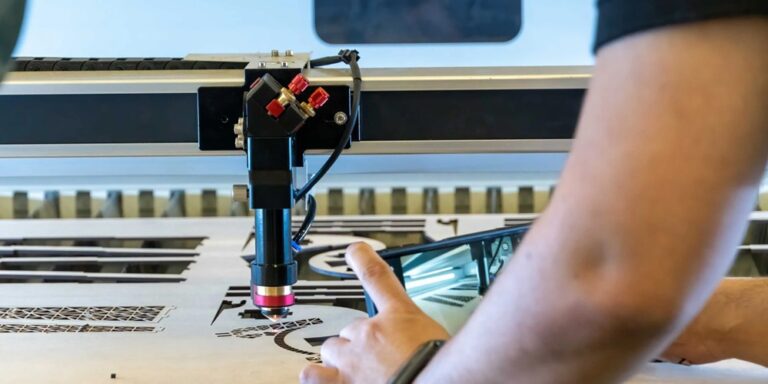
Laser engraving has become a practical choice for hobbyists, small businesses, and makers who want clean, consistent results across a range of projects. With so many laser engravers now available, it’s easier than ever to find a machine that fits your workflow, but the variety can also make the decision feel overwhelming. Comparing features before buying helps you understand how each model differs in capability, durability, and ease of use.
Key Features to Compare Before You Buy
Power output, working area, and supported materials are usually the first specifications people look at when researching different machines. These factors influence how quickly the machine can engrave, how deep it can cut, and what size projects you can take on. Entry‑level models tend to emphasise simplicity, with presets and lighter components designed for new users. More advanced machines offer stronger laser tubes, larger beds, and motion systems that support high‑precision work.
Accuracy and repeatability become especially important for anyone producing detailed designs or multiple copies of the same product. Stable frames, smooth rails, and well‑aligned optics all contribute to consistent results. Easy access for maintenance—such as cleaning lenses or checking belts—can also make a significant difference over time.
How Materials and Machine Specs Work Together
Materials like wood, acrylic, leather, paper, and coated metals all interact differently with a laser beam. A machine suited for soft materials may need more power or different lens options to achieve the same quality on harder or thicker surfaces. Knowing what materials you plan to use helps guide your choice.
Common applications include signage, branded promotional items, personalized gifts, and various forms of product customization. If you anticipate expanding your work later, it’s worth thinking about bed size, power capacity, and compatibility with jigs or fixtures that support production scaling.
Safety and Workspace Considerations
Safety is a key part of selecting the right setup. Engraving produces fumes, so proper ventilation or extraction is essential. Enclosed housings can help contain smoke and prevent accidental exposure to the laser beam, while some machines integrate filtration systems that make them easier to use in small spaces.
Eye protection varies from model to model—some rely on shielded enclosures, while others require dedicated safety glasses. Regular maintenance, such as cleaning optics and checking cooling systems, also supports safe and reliable operation. Ensuring the machine fits your workspace means thinking about airflow, noise, and the space required for accessories like extractors or cooling units.
Conclusion
Taking time to compare machine specifications leads to better results and better long‑term value. Understanding power, precision, materials, safety features, and workspace needs allows you to choose an engraver that supports your current projects and leaves room for growth. A well‑matched machine makes the engraving process smoother, more predictable, and far more enjoyable.