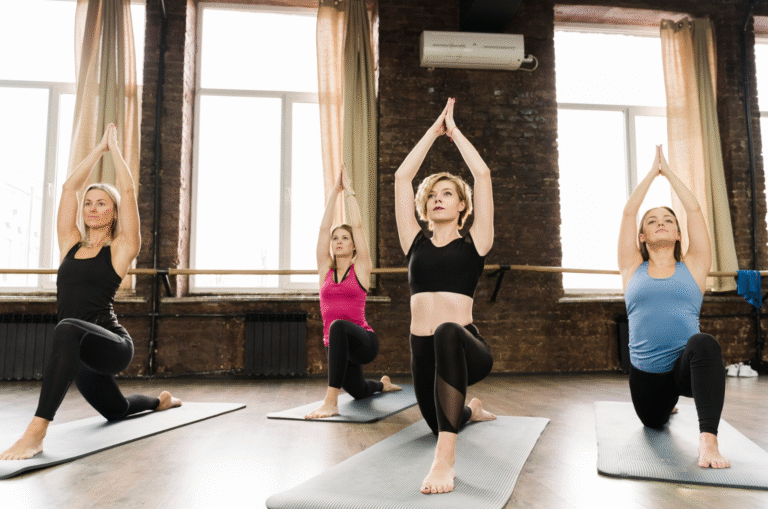
“Join Unlock Serenity’s beginner yoga classes 🧘♀️. Improve your fitness, promote holistic healing, and gain inner peace now! 🌿💪✨”
Holistic healing and fitness focus on the integration of body, mind, and emotional well-being. Rather than treating one area in isolation, this approach recognises the connections between physical health, mental clarity, and emotional stability. A balanced practice nurtures each of these aspects, promoting harmony and supporting long-term wellness.
What Holistic Healing Entails
Holistic healing approaches wellness by considering the full spectrum of an individual’s life. Lifestyle adjustments, mindful practices, and natural methods are employed to maintain balance, address stress, and support recovery. It recognises that physical health, mental calm, and emotional resilience interact and influence each other.
Expanding the Definition of Fitness
Fitness encompasses more than strength and endurance. It involves cultivating flexibility, stamina, and coordination while supporting mental sharpness and emotional well-being. A fitness routine that includes mindful activity, proper nutrition, and thoughtful rest contributes to sustainable health improvements over time. Beginners can start safely with yoga classes for beginners to build a solid foundation.
The Connection Between Healing and Fitness
The link between holistic healing and fitness becomes clear when examining practices that engage both body and mind. Physical activity encourages stronger muscles and joints, while mindful exercises, such as yoga, promote emotional stability and mental alertness. Together, these practices foster a sense of equilibrium that enhances quality of life.
The Role of Yoga
Yoga is a time-honoured practice originating in India more than 5,000 years ago. Initially rooted in spiritual traditions, it gradually evolved into a method that blends physical exercise with meditative awareness. Today, yoga is recognised globally for its ability to support well-being, reduce stress, and strengthen the body.
Yoga and Comprehensive Well-Being
Yoga contributes to overall wellness by integrating controlled movements, breathing exercises, and periods of stillness. Its techniques support physical strength, mental clarity, and emotional balance. For many participants, yoga offers a structured way to improve posture, flexibility, and mindfulness simultaneously.
Core Principles of Yoga
Yoga practice is founded on three key aspects: physical alignment, mental focus, and self-awareness. Movements are performed with attention to posture, while breath control facilitates calmness and concentration. Together, these principles encourage a balanced approach to personal health, cultivating both internal and external resilience.
Benefits of Practising Yoga
Physical Advantages
Yoga strengthens muscles, improves flexibility, and enhances balance. These benefits reduce the likelihood of injury and increase efficiency in daily movements. Over time, consistent practice supports posture, mobility, and overall physical stamina.
Mental Advantages
Engaging in yoga has measurable effects on mental function. Participants often experience decreased tension, increased focus, and improved concentration. Mindful breathing and movement foster relaxation and contribute to a more composed state of mind.
Emotional and Spiritual Advantages
Yoga supports emotional equilibrium by promoting awareness of thoughts and feelings. Practitioners often report a greater sense of calm, self-understanding, and emotional resilience. Mindfulness and meditation practices within yoga encourage living in the present and developing a sense of inner stability.
Beginner Yoga Classes: What to Expect
Beginners in yoga classes are introduced to foundational poses, gentle breathing techniques, and guided relaxation exercises. Classes are structured to create a supportive environment where newcomers can learn without pressure. Emphasis is placed on understanding personal limits and gradually building confidence in each movement.
Typical Poses for Beginners
Foundational postures, including Child’s Pose, Downward-Facing Dog, and Mountain Pose, improve flexibility, strength, and awareness of body alignment. Practising these poses consistently allows beginners to develop coordination and balance while easing tension in key muscle groups.
Preparing for a Class
Participants benefit from dressing in flexible, comfortable clothing and bringing a yoga mat. Arriving early to familiarise oneself with the space and preparing mentally to focus on breathing and posture helps create a productive practice. Remaining open to learning and progression enhances the overall experience.
Integrating Yoga into Everyday Life
Scheduling Practice
Incorporating yoga into daily routines can be achieved through short, focused sessions at home or during breaks. Online classes and instructional videos make it possible to practise consistently, even with a busy schedule.
Creating a Supportive Environment
A quiet area with minimal distractions, soft lighting, and comfortable mats can make home practice more effective. Adding calming elements, such as gentle scents or a serene backdrop, can help maintain focus and facilitate relaxation.
Consistent Practice
Maintaining regular yoga sessions develops both skill and discipline. Repeated practice strengthens physical conditioning, improves concentration, and deepens emotional stability over time. This gradual progression reinforces wellness in multiple areas of life.
Evidence and Personal Experiences
Personal accounts often reflect the transformative effects of yoga. Participants report improved posture, stress reduction, and better emotional regulation. In addition, research studies demonstrate measurable benefits, including enhanced mental clarity, flexibility, and overall physical health, confirming yoga’s role as a comprehensive wellness practice.
Selecting the Right Yoga Class
When evaluating potential yoga classes, individuals should examine instructor experience, class format, and learning environment. Finding a teacher whose approach aligns with personal learning preferences encourages growth and builds confidence. Exploring different yoga styles, such as Hatha for gentle movement or Vinyasa for flowing sequences, allows participants to select practices suited to their comfort and goals.
Conclusion
Yoga offers a structured method for nurturing overall well-being. By integrating movement, mindfulness, and focused breathing, it promotes balanced physical strength, mental calm, and emotional awareness. Beginning a practice can be a transformative step toward improved health, providing tools to cultivate resilience, flexibility, and inner calm. Even small, consistent efforts in yoga contribute meaningfully to personal growth and long-term wellness.